
At Tempe Primary Care, our team takes a whole-person approach to sleep concerns and looks at what’s really driving your symptoms. With decades of real-world medical experience, Frank Rosenberg, FNP-C, and the rest of our team can help you identify the source of your snoring and develop a clear plan for the future.
Snoring vs. Sleep Apnea: What’s the Real Difference?
Snoring occurs when airflow is partially blocked while you sleep, causing the tissues in your throat to vibrate. It can be annoying, but it isn’t always dangerous.
Obstructive sleep apnea (OSA) is different. With OSA, your airway becomes blocked enough that your breathing repeatedly stops and starts during sleep. This can prevent deep, restorative rest and may increase health risks over time.
When It’s “Just Snoring”
The problem is more likely to be simple snoring if you:
- Wake up feeling rested most mornings
- Don’t have daytime sleepiness
- Snore mostly when sleeping on your back
- Notice it’s worse after alcohol or congestion
That said, snoring can still affect sleep quality (yours and your partner’s), so it’s worth addressing.
Red Flags That Point to Sleep Apnea
Sleep apnea symptoms often include:
- Loud snoring plus choking, snorting, or gasping sounds
- Pauses in breathing noticed by a partner
- Waking up with a dry mouth or headache
- Feeling tired, foggy, or irritable during the day
- Frequent nighttime bathroom trips (yes, it can be related!)
Should You Get Evaluated?
Consider a sleep apnea evaluation if two or more of these statements are true:
- I snore loudly most nights
- I wake up gasping, choking, or short of breath
- I feel tired even after a full night of sleep
- I often have morning headaches
- Someone has seen me stop breathing in my sleep
At Tempe Primary Care, we’ll review your symptoms, health history, and risk factors to determine whether you may need a sleep study.
Get Answers and Start Sleeping Better
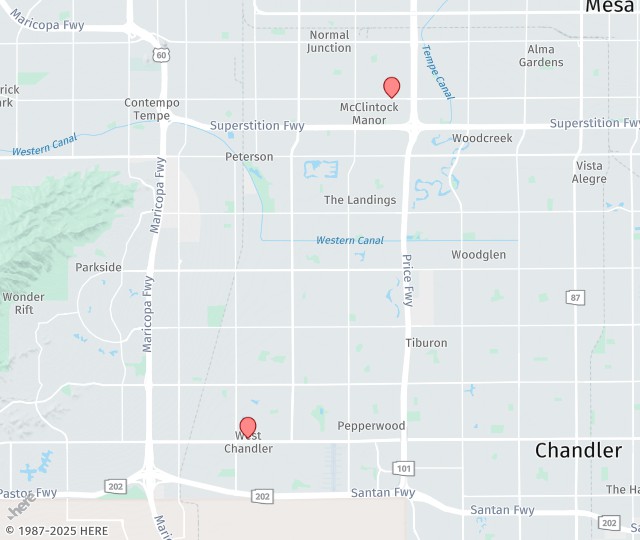
If you’re stuck wondering about snoring and sleep apnea, don’t wait for things to get worse. Contact Tempe Primary Care at (602) 283-0080 to schedule a visit at our Tempe or Chandler, AZ, offices. You can also book an appointment online.