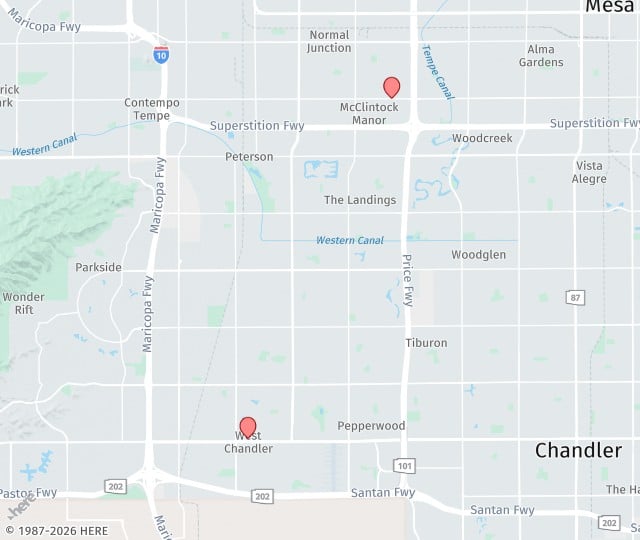
Fatigue, weight changes, a racing heartbeat, changes in mood, or feeling unusually hot or cold can have many possible causes. Thyroid function is one of the things worth considering when these symptoms persist. At Tempe Primary Care, we diagnose and manage thyroid concerns as part of our chronic condition care for patients in Tempe and Chandler, Arizona. Emily Danielson, FNP-BC, is a board-certified family nurse practitioner whose clinical interests include chronic disease management and preventive care.
What Does the Thyroid Do?
The thyroid is a small gland in the neck that produces hormones involved in how your body uses energy. When it produces too little hormone, the condition is called hypothyroidism. Too much hormone is known as hyperthyroidism.
Other thyroid conditions include Hashimoto's disease, Graves' disease, thyroid nodules, goiter, postpartum thyroiditis, and other changes in gland function.
What Symptoms Can Thyroid Conditions Cause?
Symptoms vary depending on the condition and often overlap with other medical problems.
An underactive thyroid is commonly associated with:
- Fatigue
- Feeling unusually cold
- Constipation
- Dry skin
- Weight changes
- Slower thinking
- Low mood
An overactive thyroid may cause:
- A racing or irregular heartbeat
- Heat intolerance
- Increased sweating
- Tremor
- Difficulty sleeping
- Frequent bowel movements
- Nervousness
- Unexplained weight loss
Having one or more of these symptoms does not necessarily mean you have a thyroid condition. A medical evaluation helps us decide whether bloodwork or another type of assessment is appropriate.
How Are Thyroid Conditions Diagnosed?
We begin by discussing your symptoms, medications, family history, and other medical conditions, followed by a physical exam. Bloodwork often starts with a TSH level. Depending on that result and your symptoms, additional laboratory testing such as free T4 or thyroid antibodies might be useful.
If we find a nodule, enlarged gland, or another structural concern, an ultrasound or specialist evaluation could be recommended. Imaging is not necessary for every abnormal blood result.
How Are Thyroid Disorders Treated?
Treatment depends on the diagnosis.
Hypothyroidism is commonly managed with thyroid hormone replacement and periodic bloodwork. The dose sometimes changes over time, which is why follow-up appointments remain important.
Hyperthyroidism is treated differently. Depending on the cause and severity, care may include medication and referral to an endocrinologist for additional management.
We look at both your symptoms and laboratory results when deciding whether treatment needs adjustment. If the condition is complex, a nodule requires further evaluation, or specialty treatment would be more appropriate, we can coordinate that referral.
Why Choose Tempe Primary Care for Thyroid Disorder Treatment in Tempe and Chandler?
Thyroid symptoms often overlap with other medical concerns, so it helps to consider them within the context of your regular medical care. Emily Danielson, FNP-BC, brings experience in cardiovascular, oncology, and medical-surgical nursing along with her interest in chronic disease management.
Our team can arrange appropriate lab work, monitor treatment over time, and coordinate endocrinology care when needed. That continuity also makes it easier to consider other conditions, medications, and recent health changes that could be contributing to your symptoms.
Frequently Asked Questions About Thyroid Disorders
Yes. Levels can shift because of the underlying condition, medication changes, pregnancy, illness, and other factors. Periodic bloodwork helps show whether your treatment still matches your current needs.
Fatigue, weight changes, hair changes, mood concerns, and poor sleep are not unique to thyroid disease. If your results are normal but you still do not feel well, we can consider other possible causes rather than assuming the thyroid is responsible.
Yes. Follow-up bloodwork helps determine whether your dose remains appropriate. Do not change or stop thyroid medication without discussing it with your healthcare provider.
No. Many thyroid nodules are benign. They still deserve the right evaluation, which might include ultrasound, additional studies, or a specialist referral depending on their features.
An endocrinology referral may be useful for complex disease, thyroid levels that remain difficult to control, certain nodules, hyperthyroidism, or situations that require more specialized treatment.
Get Thyroid Care in Tempe and Chandler
If symptoms are lingering or recent bloodwork raised questions about your thyroid, our team can help determine what deserves further evaluation. Contact us at Tempe Primary Care or call 602-283-0080 for thyroid care in Tempe or Chandler, AZ.