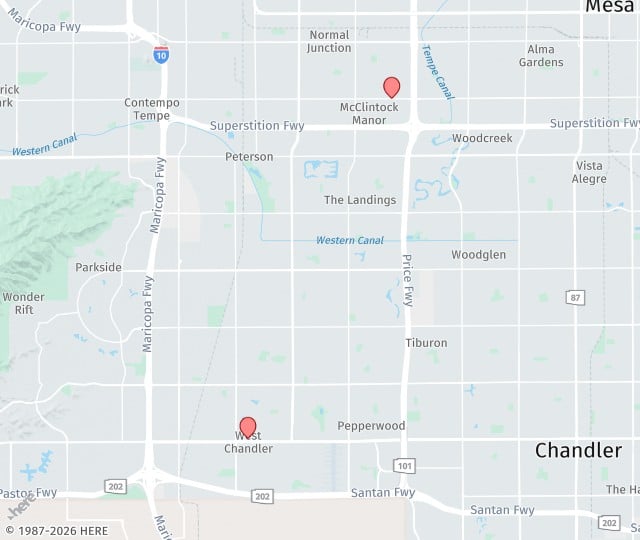
Mild soreness after a new workout or a physically demanding day often settles as the body recovers. Joint pain is more concerning when it lingers, causes swelling or stiffness, limits movement, or starts changing what you can comfortably do. Elma Williamson, FNP-BC is a board-certified family nurse practitioner with more than 15 years of medical experience, including emergency medicine, and is part of our team at Tempe Primary Care. Through musculoskeletal care in Tempe and Chandler, Arizona, we evaluate joint, muscle, and bone concerns for patients across the lifespan.
When Joint Pain Is Worth Getting Checked
Normal post-activity soreness should gradually ease. Pain that continues for more than a few days, keeps coming back, or gets worse instead of better can be a sign that something else is going on.
Consider making an appointment if you notice:
- Swelling or stiffness around a joint
- Reduced range of motion
- Pain that wakes you up or interrupts daily activities
- Numbness or tingling in an arm or leg
- An injury that is not improving as expected
- Ongoing discomfort without an obvious cause
If symptoms started after a fall, sports injury, or other accident, our injury care team can assess sprains, strains, and joint injuries. Severe pain, major swelling, inability to bear weight, or new numbness after an injury calls for prompt medical care.
Several Conditions Can Cause Similar Joint Symptoms
The place that hurts does not always tell you exactly what is wrong. Arthritis can cause aching and stiffness, while bursitis or tendonitis may make certain movements uncomfortable. Strains, overuse, and sports injuries can affect the muscles and connective tissues surrounding a joint.
Inflammatory conditions are another possibility. Our autoimmune disorder management includes care coordination for rheumatoid arthritis and psoriatic arthritis. For older adults, geriatric primary care can place joint problems in the larger context of mobility, strength, balance, medications, chronic disease, and fall risk.
What Happens During a Joint Pain Visit?
We start with the history of the problem and a physical exam, including how the affected area moves and functions. If the findings point to a fracture, structural injury, or inflammatory condition, we may arrange imaging or lab work. Physical therapy, orthopedic referral, medication management, home exercises, or changes in activity may also be considered depending on the cause.
You do not need to wait until discomfort prevents you from moving normally. If a joint is staying painful, stiff, or swollen, contact us at Tempe Primary Care to have it assessed. Our team cares for patients in Tempe and Chandler, AZ. Call 602-283-0080 to arrange a visit.