Compassionate Care at Tempe Primary Care
Heart failure requires careful medical oversight, medication management, and consistent follow-up to prevent complications. At Tempe Primary Care, heart failure management is led by Frank Rosenberg, FNP-C, a Family Nurse Practitioner with decades of experience in emergency, trauma, and intensive care settings. His background in high-acuity environments informs a proactive, detail-oriented approach to chronic conditions.
We prioritize timely appointments, often within 48 hours, and provide direct access to your provider by phone, text, email, video, or in person. With transparent pricing for labs, imaging, prescriptions, and medical equipment, our practice is structured to help patients avoid unnecessary emergency visits and hospitalizations while maintaining steady, long-term heart health management.
What Is Heart Failure?
Heart failure does not mean the heart has stopped working—it means the heart muscle is weakened or stiff and cannot pump blood as effectively as it should. Over time, this reduced function can cause fluid to accumulate in the lungs, legs, or abdomen.

There are different types of heart failure depending on which part of the heart is affected and whether the issue involves weakened contraction or impaired relaxation. Some patients develop heart failure gradually due to chronic conditions, while others experience it following a heart attack or significant cardiac event. Early identification and consistent monitoring are essential to slowing progression.
What Causes Heart Failure?
Heart failure usually develops as a result of underlying cardiovascular or metabolic conditions that strain the heart over time. Common causes include:
- High blood pressure
- Coronary artery disease
- Previous heart attack
- Diabetes
- Heart valve disorders
- Irregular heart rhythms
- Long-term alcohol or substance use
Identifying and managing these contributing factors is a central part of treatment. Addressing the root cause can improve symptom control and reduce further heart damage.
What Are the Symptoms of Heart Failure?
Symptoms can vary depending on severity and type, but often worsen gradually. Many patients experience:
- Shortness of breath during activity or while lying down
- Swelling in the feet, ankles, legs, or abdomen
- Fatigue or reduced exercise tolerance
- Rapid or irregular heartbeat
- Persistent coughing or wheezing
- Sudden weight gain caused by fluid retention
Because these symptoms may overlap with other conditions, medical evaluation is necessary for accurate diagnosis and proper treatment planning.
How Is Heart Failure Diagnosed?
Diagnosis begins with a comprehensive review of symptoms, medical history, and risk factors, followed by a physical examination. Additional evaluation may include blood tests to assess heart strain, imaging such as a chest X-ray, and an electrocardiogram to evaluate heart rhythm. When indicated, we coordinate echocardiograms or refer to cardiology to measure heart function more precisely.
Determining the type and stage of heart failure allows for a tailored management plan designed around your specific health needs.
How Do We Treat Heart Failure?
Heart failure cannot be cured, but it can be effectively managed with a structured and individualized care plan. Treatment focuses on improving heart function, relieving symptoms, slowing disease progression, and reducing the risk of hospitalization.

Medication Management
Medications are often central to heart failure treatment. Depending on your condition, we may prescribe therapies that help reduce fluid buildup, relax blood vessels, regulate heart rhythm, and improve the heart’s pumping efficiency. Careful monitoring allows us to adjust dosages as needed to maximize benefit while minimizing side effects.
Lifestyle Modifications
Daily habits play an important role in long-term stability. We provide guidance on sodium reduction, fluid awareness, heart-healthy nutrition, appropriate physical activity, smoking cessation, and weight management. Small, consistent adjustments can significantly improve symptom control and overall cardiovascular health.
Monitoring & Follow-Up
Heart failure requires ongoing oversight. Regular visits allow us to evaluate symptoms, review weight trends, monitor blood pressure, and assess laboratory results. Early identification of subtle changes helps prevent worsening symptoms and reduces the likelihood of emergency care.
Coordination with Specialists
If advanced evaluation or intervention is needed, we coordinate care with cardiologists and other specialists. We remain actively involved in your treatment plan to ensure continuity, clear communication, and comprehensive management.
When To Seek Medical Care
Changes in heart failure symptoms should be addressed promptly. Contact your provider if you notice worsening shortness of breath, increased swelling in the legs or abdomen, sudden weight gain from fluid retention, or a decline in your ability to perform daily activities.
Seek emergency care for severe chest pain, fainting, or significant difficulty breathing. Early evaluation and treatment adjustments can help prevent complications and reduce the risk of hospitalization.
Frequently Asked Questions
Heart failure is commonly classified into stages based on structural heart changes and symptom progression. Early stages may involve risk factors without symptoms, while later stages include structural heart disease with increasing limitations in daily activity. Identifying the stage helps guide treatment intensity and monitoring frequency.
While heart failure is typically a chronic condition, symptoms and heart function can improve with proper treatment, lifestyle changes, and medication adherence. Some patients experience stabilization for many years with consistent medical care.
Without proper management, heart failure can progressively worsen, leading to increased fluid buildup, declining heart function, and higher risk of hospitalization or life-threatening complications. Early and consistent care plays a critical role in slowing progression.
Why Choose Tempe Primary Care For Heart Failure Management?
Frank Rosenberg, FNP-C, has worked in healthcare since 1993, beginning in emergency medical services and the emergency department at Chandler Regional Hospital. He earned his Bachelor of Science in Nursing from Arizona State University and later completed his Family Nurse Practitioner training at Northern Arizona University with an emphasis on rural and underserved populations. His clinical background includes emergency, trauma, and intensive care experience, providing a strong foundation for managing complex chronic conditions such as heart failure.
Tempe Primary Care is supported by a team of nurse practitioners, registered nurses, and collaborating physicians, ensuring coordinated and comprehensive cardiac care grounded in extensive frontline and advanced practice experience.
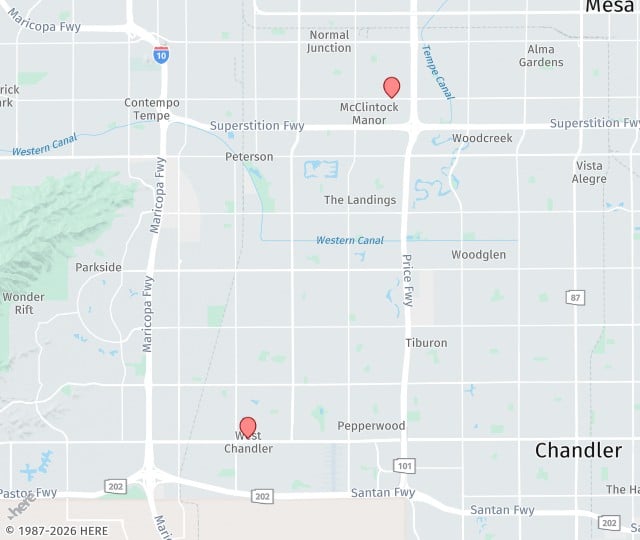
Heart Failure Management In Tempe & Chandler, AZ
Living with heart failure requires ongoing medical guidance and a structured care plan. At Tempe Primary Care, we provide comprehensive heart failure management for patients in Tempe and Chandler, AZ, who need consistent monitoring and individualized treatment.
If you have been diagnosed with heart failure or are experiencing concerning symptoms, call Tempe Primary Care today at 602-283-0080 to schedule a consultation and begin a personalized plan for managing your heart health.